

Italia! You can have no other feeling than appreciation for a country where croissants, espresso, pizza, pasta, and gelato are a way of life! Over the course of 11 days, I visited 10 cities, walked 135 miles, and consumed gelato on 15 occasions – and nearly twice as many flavors. What follows is my experience and some potentially hot takes.
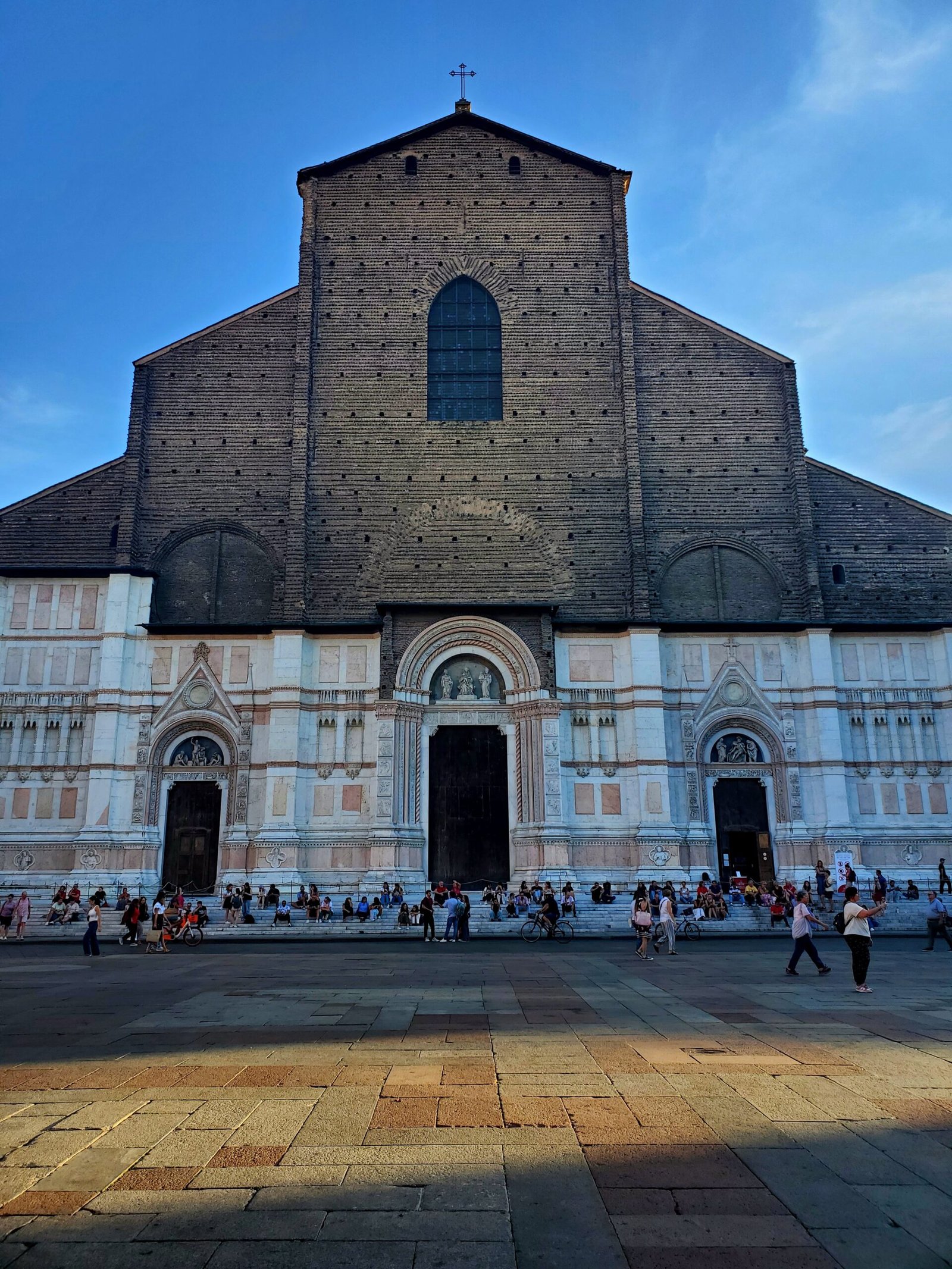
Bologna: I visited for less than 24hrs, but I also felt that was an appropriate amount of time. Iconic foods coming out of this city (bolognese/ragu & bologna) were a factor in my visit, along with seeing the two towers in the city center. Otherwise the city feels like a normal city, a little run down in places, definitely lived in. Some tourists, but not to the extent of others.
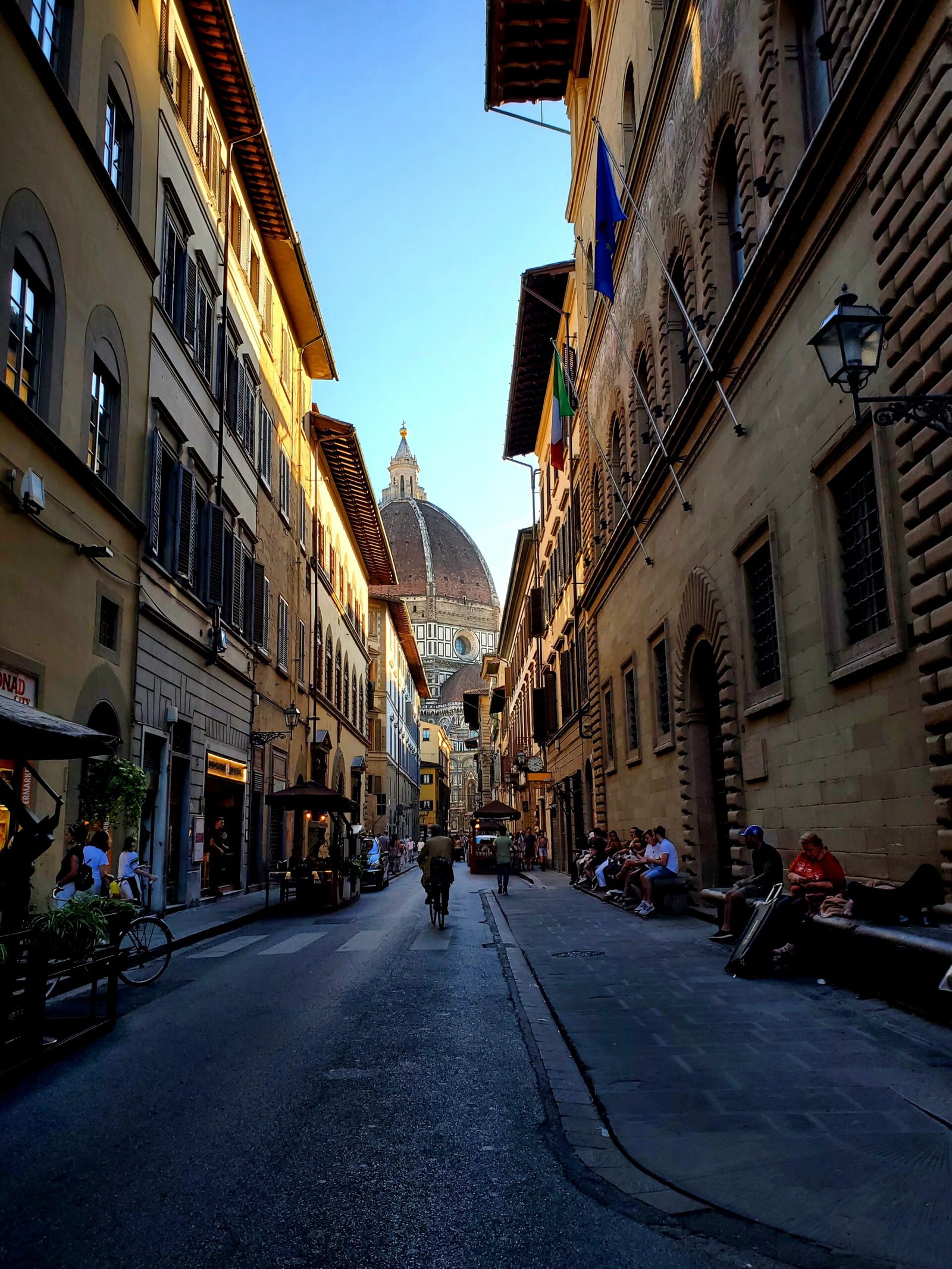
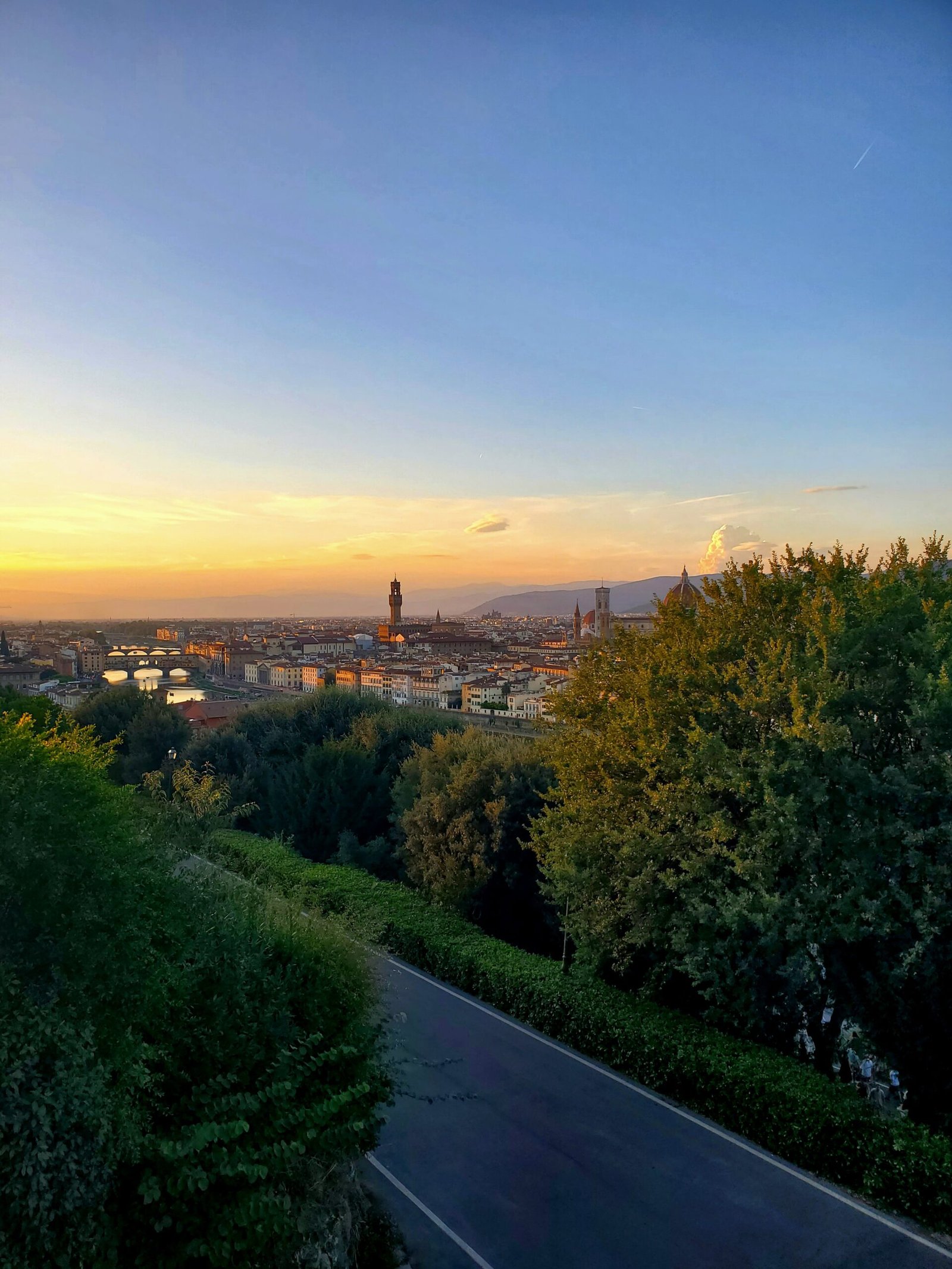
Florence: Firenze, a city of art. While unable to meet the time requirements to visit the inside of the Duomo di Firenze, which is one of the largest domes in the world, viewing it from the outside is still quite impressive! Florence was also my first experiences with the challenges of eating in Italy! Italians take breaks in the middle of the day. Most restaurants will stop service between 2-6pm so if looking for food outside these hours, you’re screwed, or you’ve ended up at a tourist trap restaurant. My cousins, uncle, and I met up in Florence and first tried to grab a pizza across from the hotel, but it was just hitting 2pm so they were closing. We grabbed food elsewhere and decided that evening to try and visit the pizza place for dinner. We went early, around 7pm, but they taught us the Italian concept of restaurant reservations. A restaurant will have reservations for hours into the night, and even if there is currently room, the tables are reserved for others. The pizza spot was booked til 9:30pm, so we attempted other spots. Also booked! We must have walked by and checked a dozen spots before one place said they could squeeze us in. If you’re planning to eat anywhere good in Italy, you need to call ahead and make reservations, especially on weekends! Or you stand in line like many people, and make it an all evening event, waiting for an hour or two to potentially get a seat. I definitely recommend the short walk up to Piazzale Michelangelo, a terrace overlooking the city. It’s extremely crowded at sunset, but appropriately so, as you have great views over the city. Two days felt appropriate.
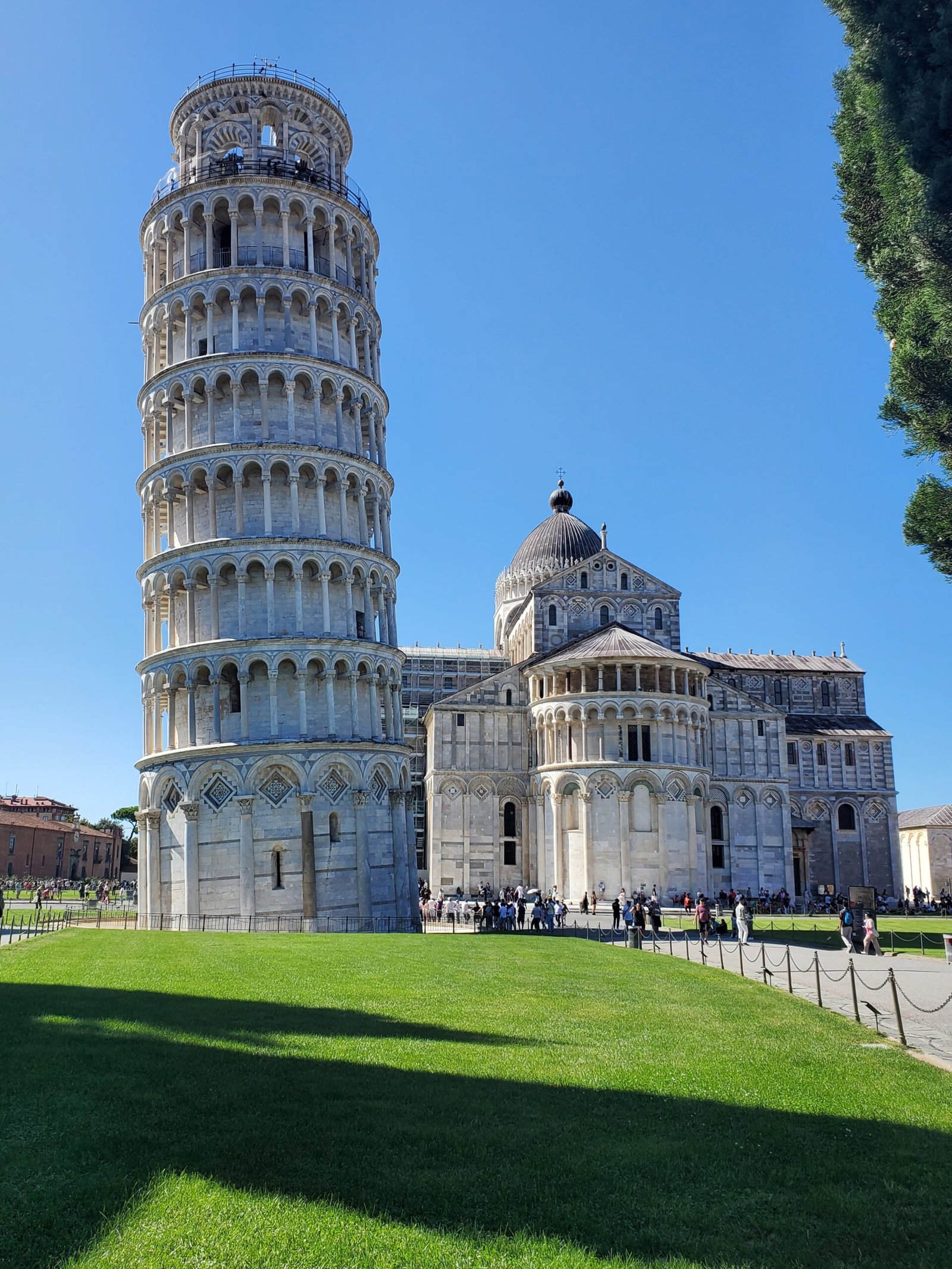
Pisa: An hour train outside Florence is Pisa. I expected a tiny town with a few overpriced shops and the Leaning Tower. I was pleasantly surprised. The tower is actually a lot wider than I expected, and the city is pretty sizable. I don’t think I’d necessarily want to spend a night in the city, but compared to the few hours we spent, I could see one enjoying a full day. The tourist shops all sell the same items, and perhaps the significant supply side volume results in economic benefits for the consumer, but prices were very reasonable. Magnets were being sold for €1 and other items for under €5. Compared to many other tourist traps, I actually felt it was an enjoyable town to visit. I don’t feel the need to necessarily go back, but I wouldn’t be completely opposed either.
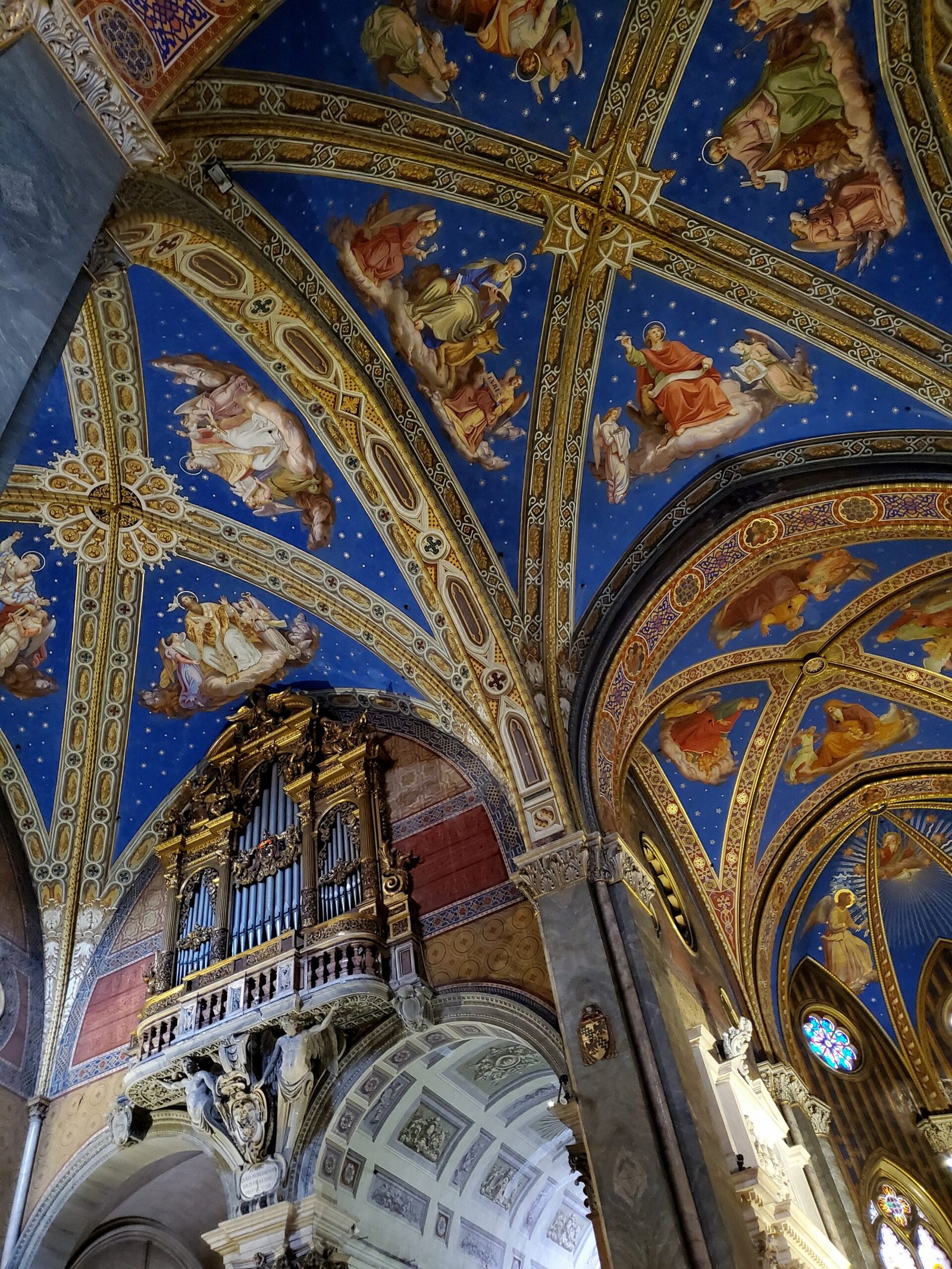
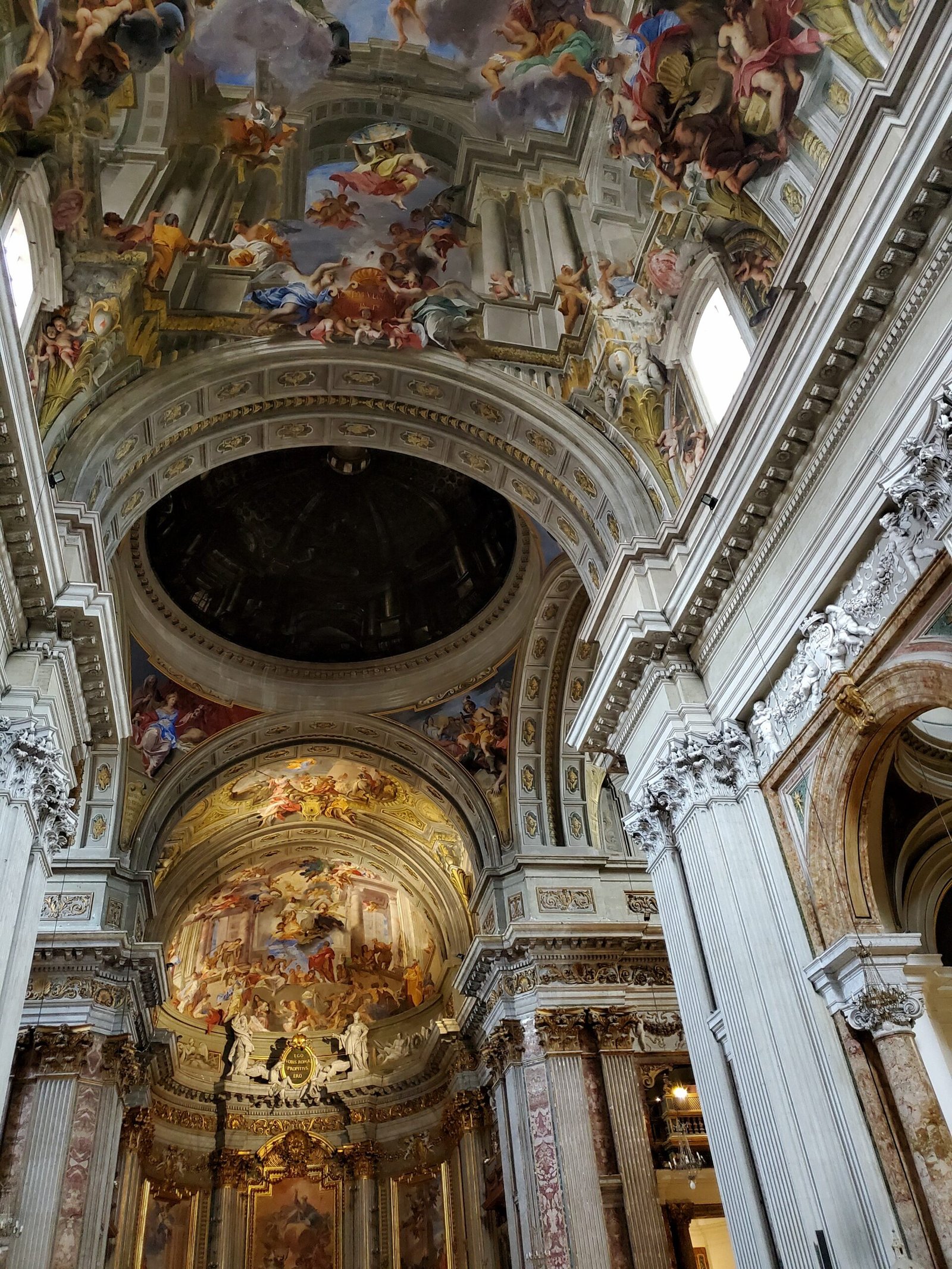
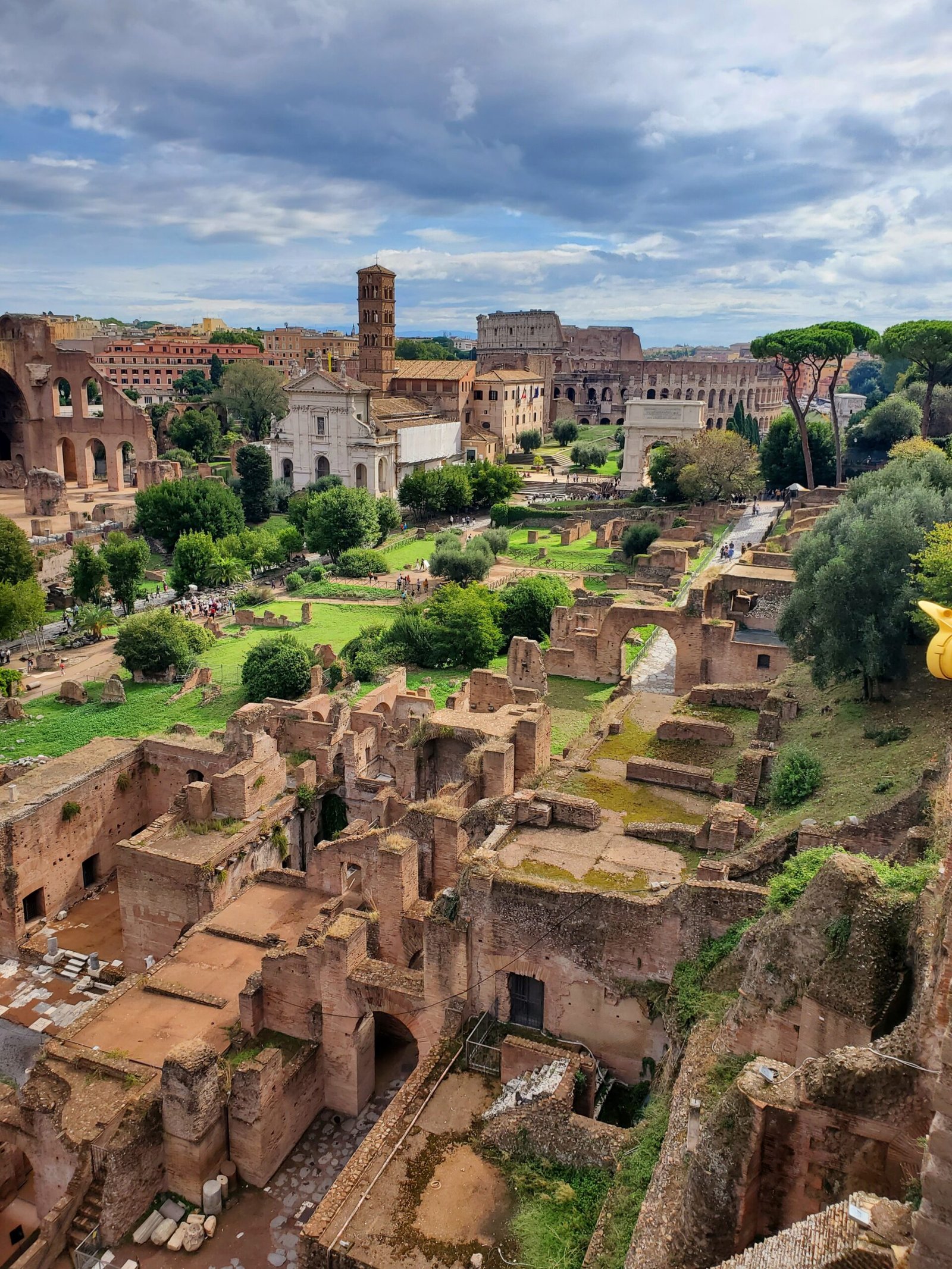
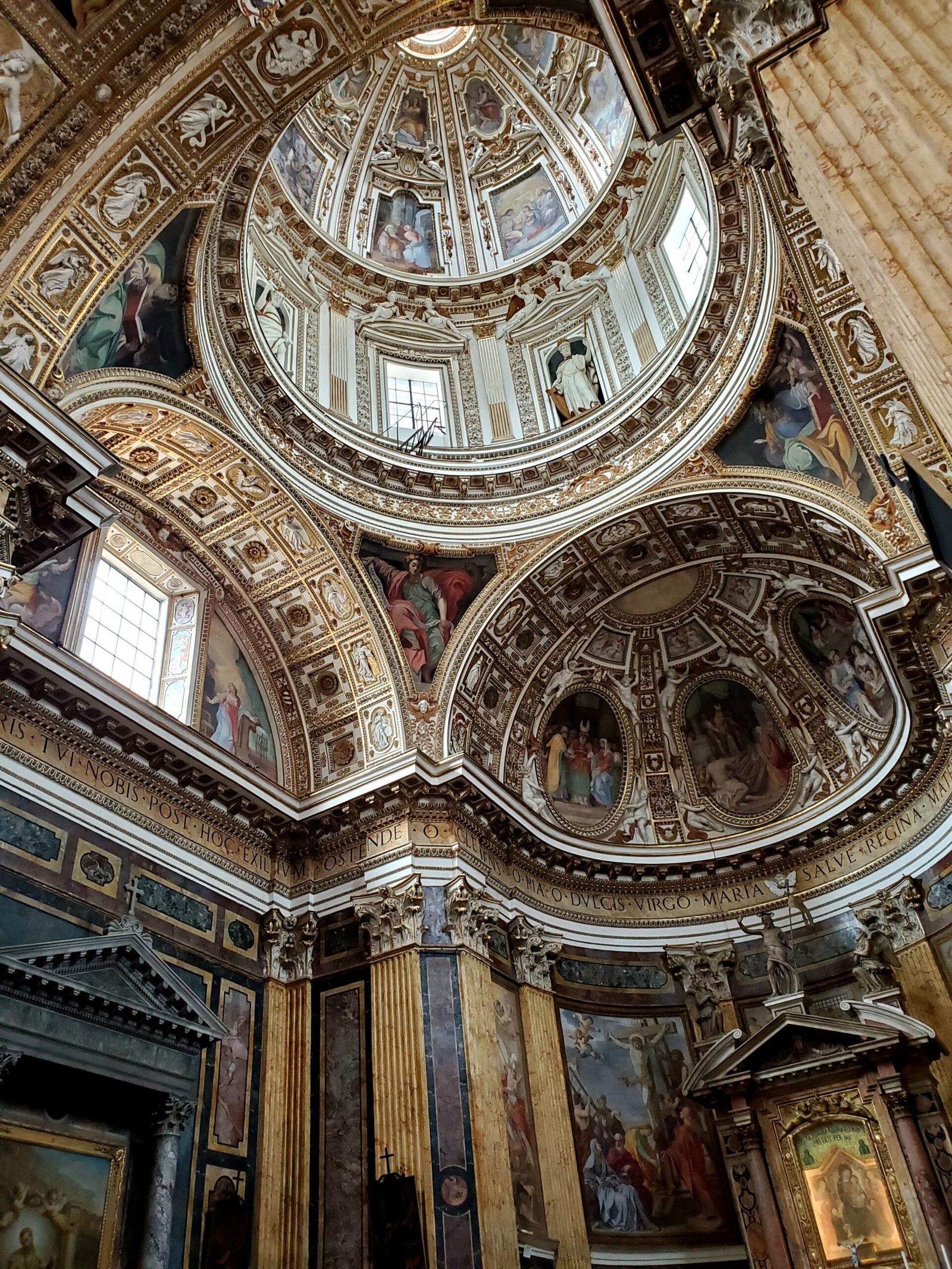
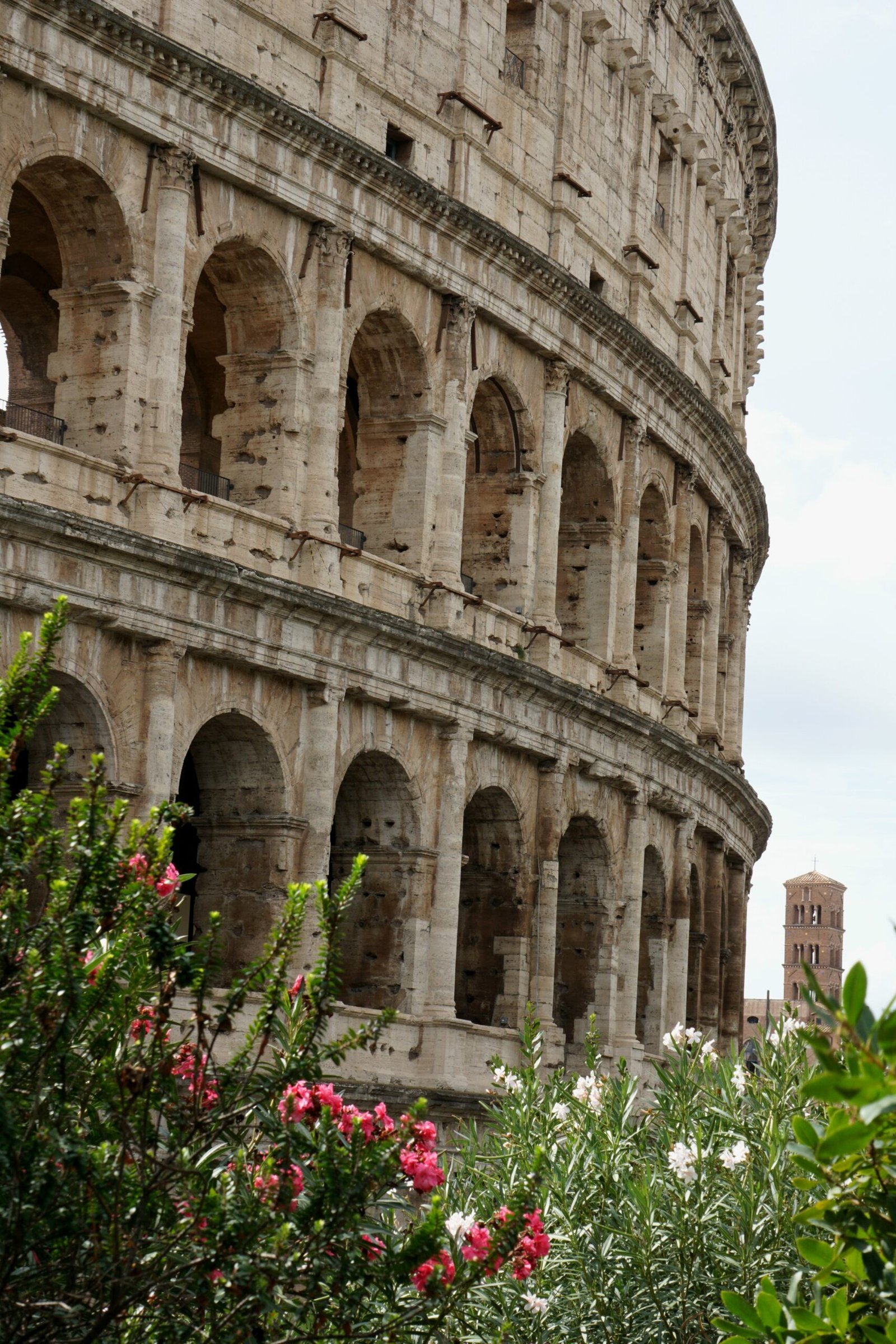
Rome: Rome is likely essential to anyone’s trip to Italy, and it’s most definitely worth a visit. Between the colosseum, Spanish steps, and Trevi Fountain, you will get all the social media pictures your heart desires. This being said, it was extremely touristy, with entire sections of the city filled with anything but locals. I enjoyed walking far outside the main areas, but it’s hard to fully enjoy the city given you are constantly surrounded by tour groups. Trastevere is a popular and cool part of town that many people stay, but I’d likely suggest staying more central and just visiting it one evening for dinner. Hot take – the colosseum is a little underwhelming. Don’t get me wrong, it’s an impressive building from the outside, but you really don’t gain much by going within. It also was smaller than I expected. I think the surprise was that it seemed to consist of many bricks instead of just stone, and while the stones were decent sized, they were nothing overly large compared to well known monoliths. Looking back at some pictures I now might reconsider my view and recognize how impressive it is, but I didn’t quite feel the gladiator glory I was anticipating. One might even say, I was “not entertained”. Another aspect of dinner in Italy is there is a inverse relationship between the friendliness of waiters and the quality of the food. If a waiter is coming up to you and suggesting you eat at their establishment, it’s going to be mediocre. They’ll likely have an English menu and friendly staff, but the food is going to lack in flavor. Now if you go to a place and the waiter avoids you entirely, you have to force yourself to get a seat, and then wait 20min for them to even take your order, another 30min to get the food, and then have to chase them for the bill, the food is going to be fantastic! There is no such concept of turning tables in restaurants. You are actually instead encouraged to linger, socialize, have another drink, or sip on a post dinner espresso. It’s such a foreign concept and at times refreshing, but at other times a bit annoying. I have places to go and things to see! I’m not necessarily looking to spend 2hrs at your restaurant. Two or three full days in Rome will suffice.
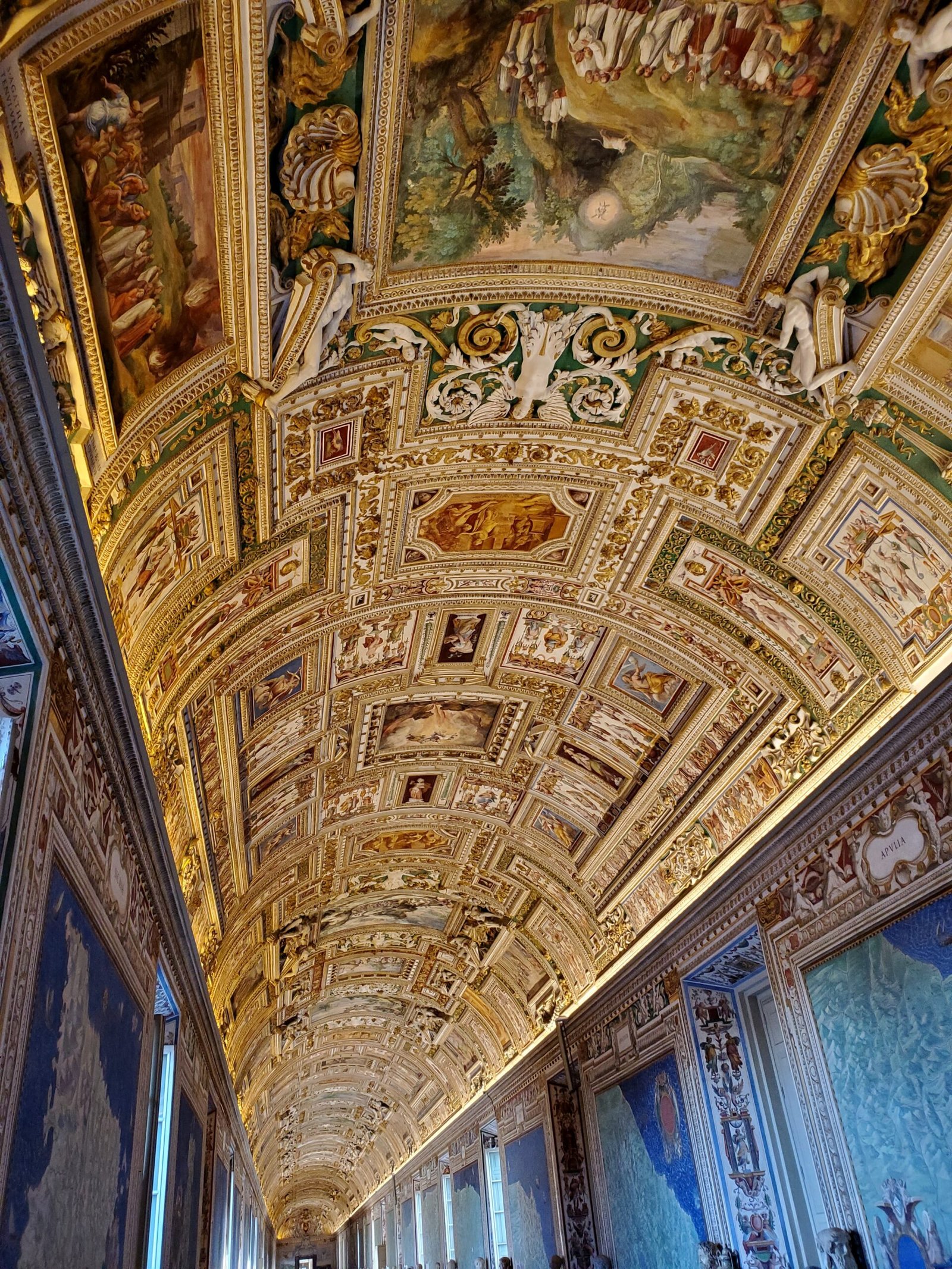
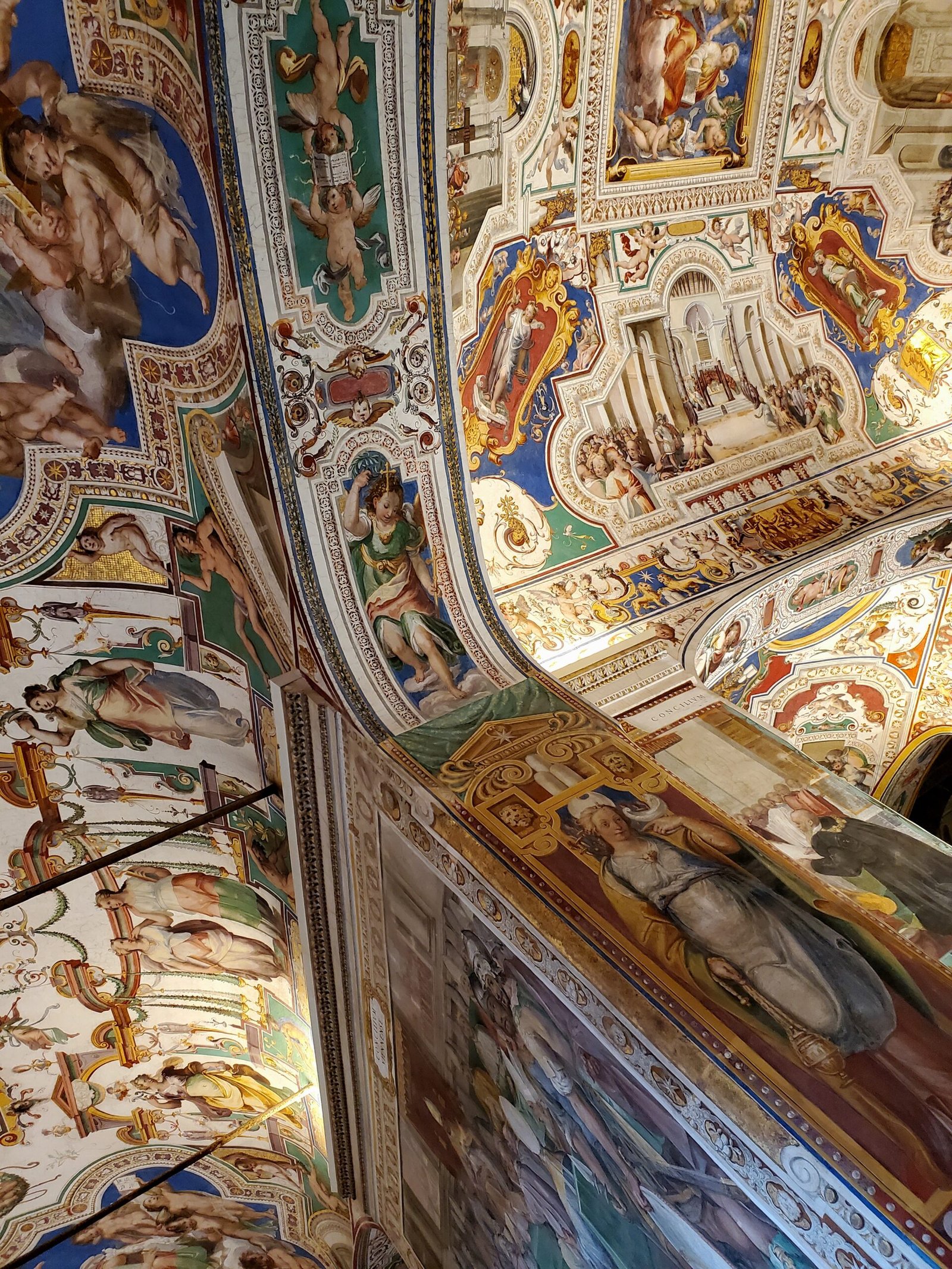
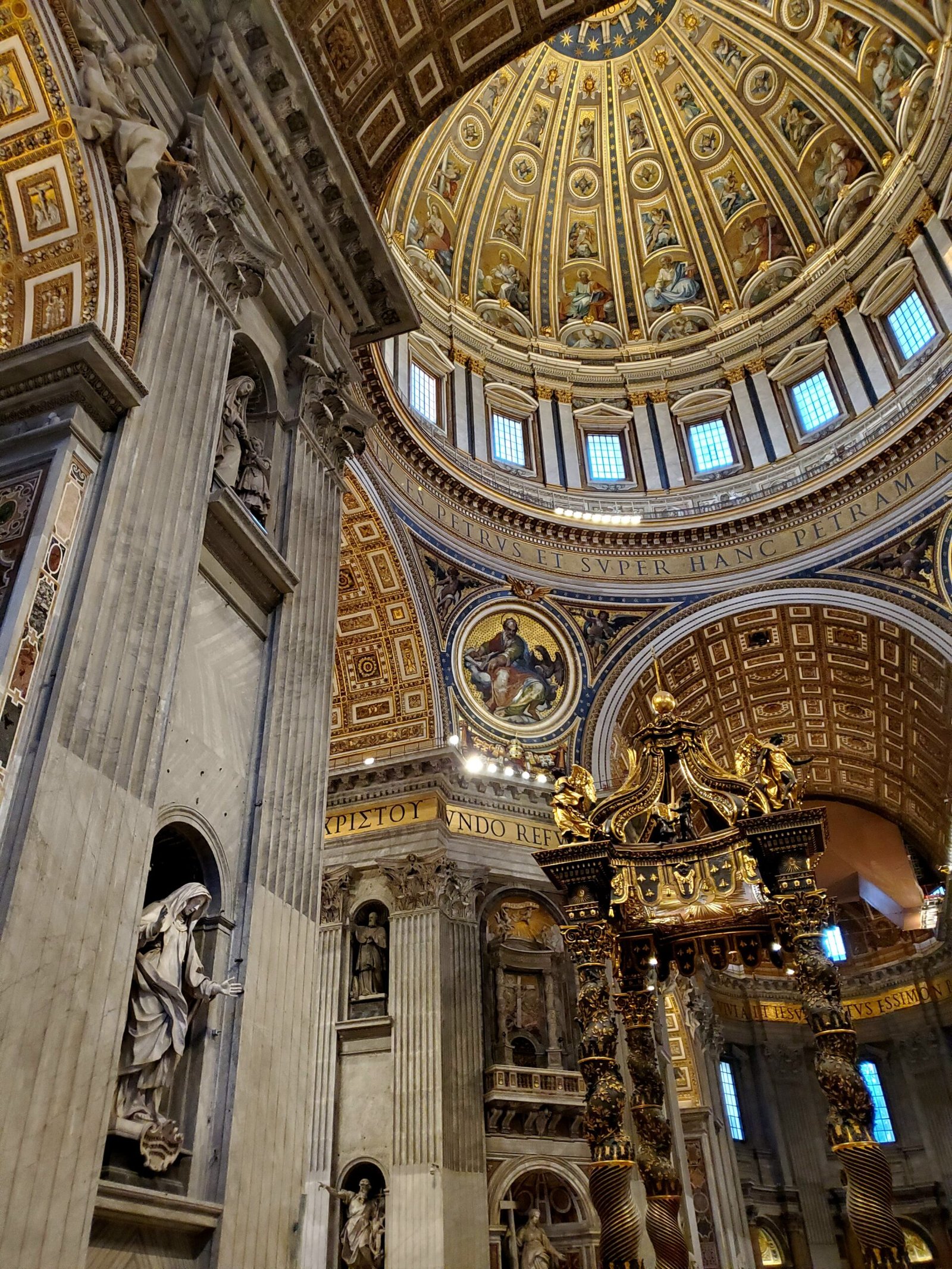
Vatican City: I take it back, Rome was crowded, Vatican City was insane. Talk about thousands of people visiting every hour. Hot take: The Sistene chapel is cool, and great art, but the famous Creation of Adam painting is pretty small and the room itself is neat but not quite awe-inspiring. On the other hand, the Gallery of Maps hallway is very impressive and contains dozens of large painted maps along the corridor with a very colorful ceiling. Sadly my cousins and I were rushed for time so we quickly sped though the room. 2025 is a Jubilee Year, so the Holy Door of St. Peter’s Basilica is open, and won’t open again until 2050. My cousin and I realized the last entrance was in twenty minutes and clear on the other side of the Vatican, so we quite literally sprinted down the street in order to make it in time. We finally arrived with five minutes to spare, yet they had already stopped allowing people to enter! We were incredibly disappointed, but figured we’d try and walk around to the exit and peak in the open door – afterall, the next time the door would be open would be 2050! As we wandered closer to the exit, we realized a large stream of people were slowly coming out, and while there was a guard keeping people out, my cousin suggested we try and sneak in – and who was I to not be supportive? We kept moving foot by foot closer to the exit, pretending to take pictures, and eventually I saw an opening and told her to go! She sprinted in and never looked back! Seeing her success, I didn’t want to be left behind, so I kept my cool and patiently waited until the guard was distracted by another tourist and snuck in myself. It was totally worth it as the basilica is incredible! We both spent a full hour wandering around inside until they eventually kicked us out. So here’s my official apology to the pope for sneaking in, but also a suggestion to improve their security! Afterwards we realized you can actually enter the basilica most days, the special Holy Door is just a small area within the basilica that is only open every so many years. A full day should be allocated to the Vatican City, and I’d recommend an early timeslot since several areas close early despite being listed as open later.
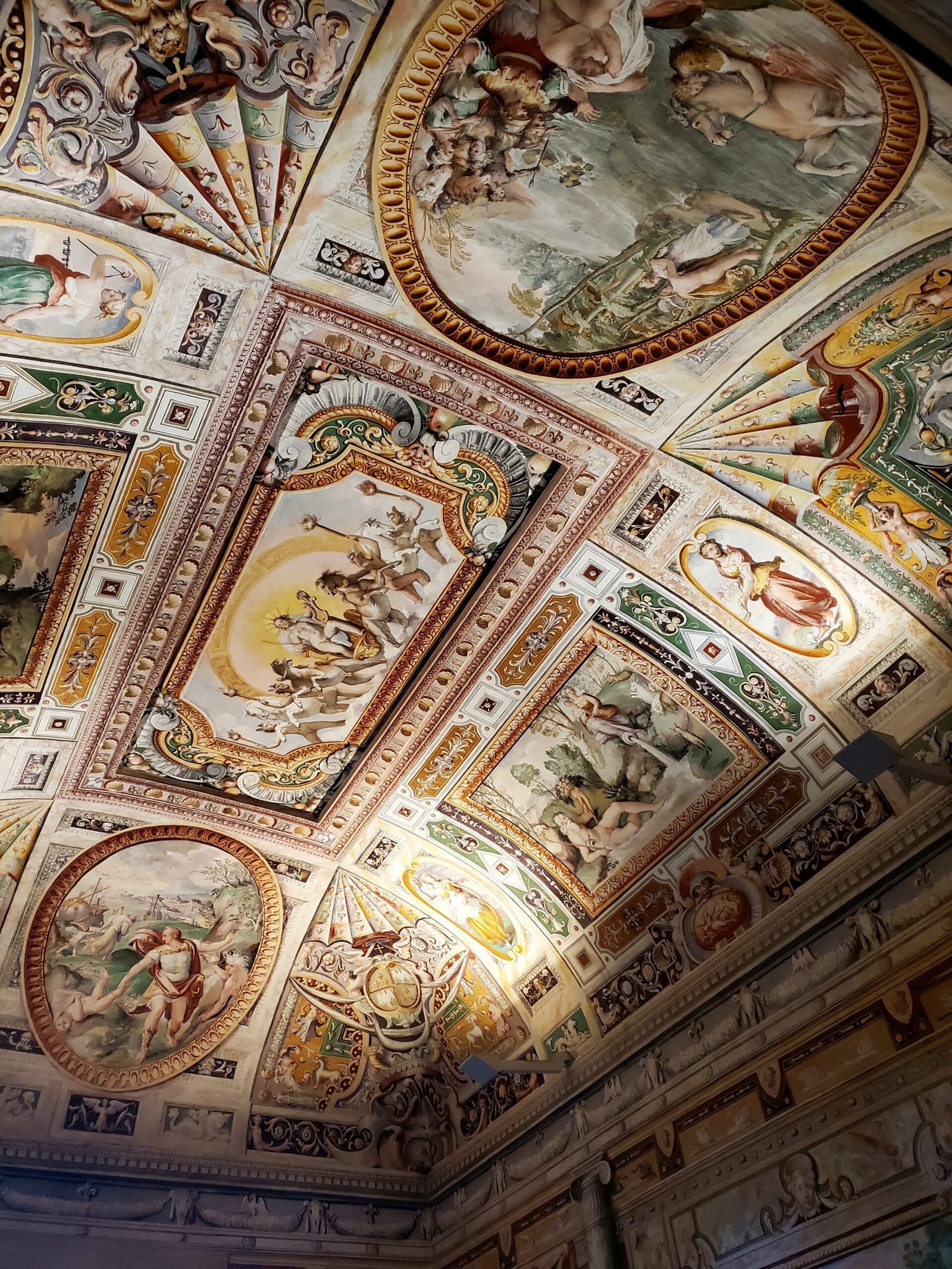
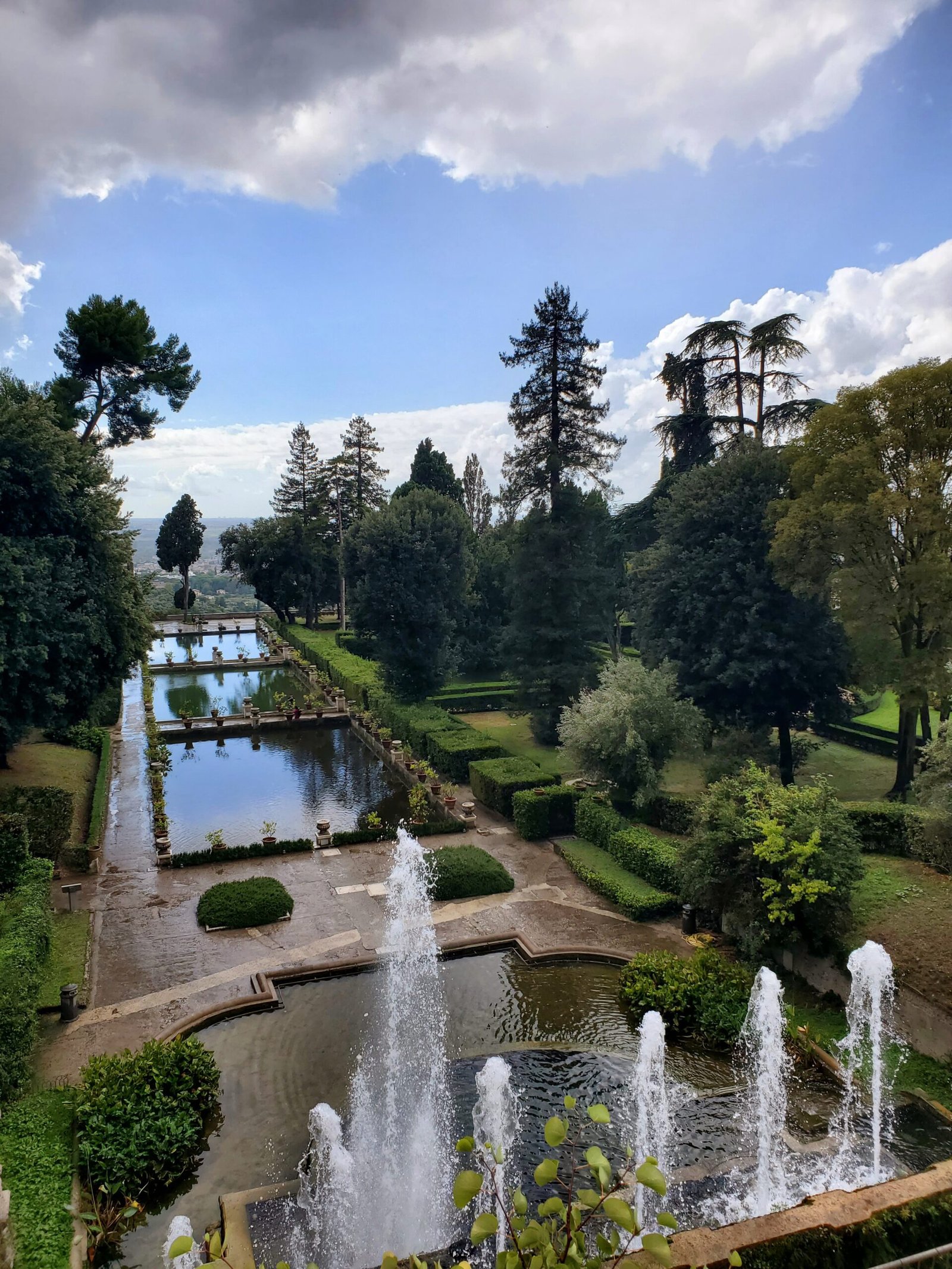
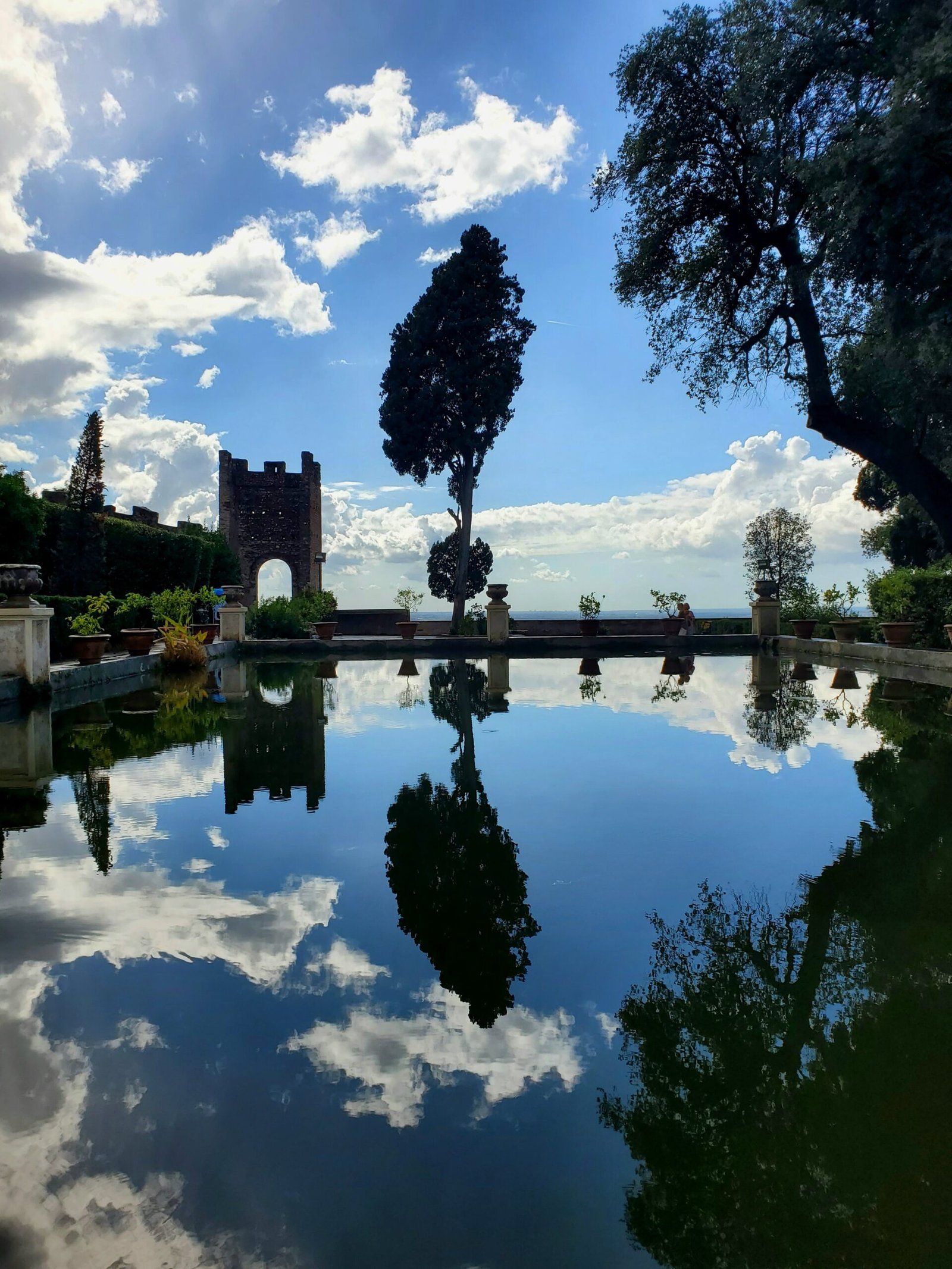
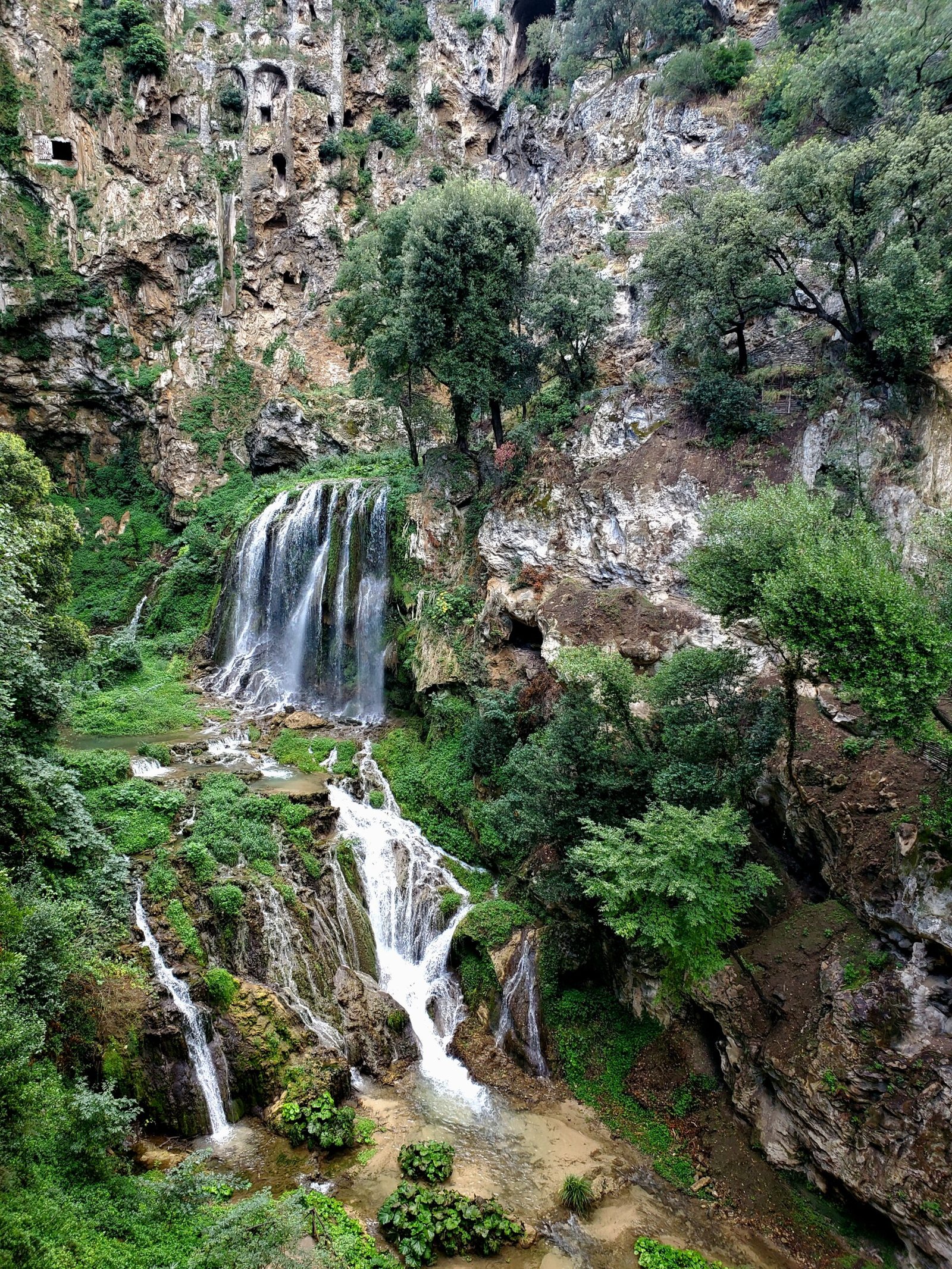
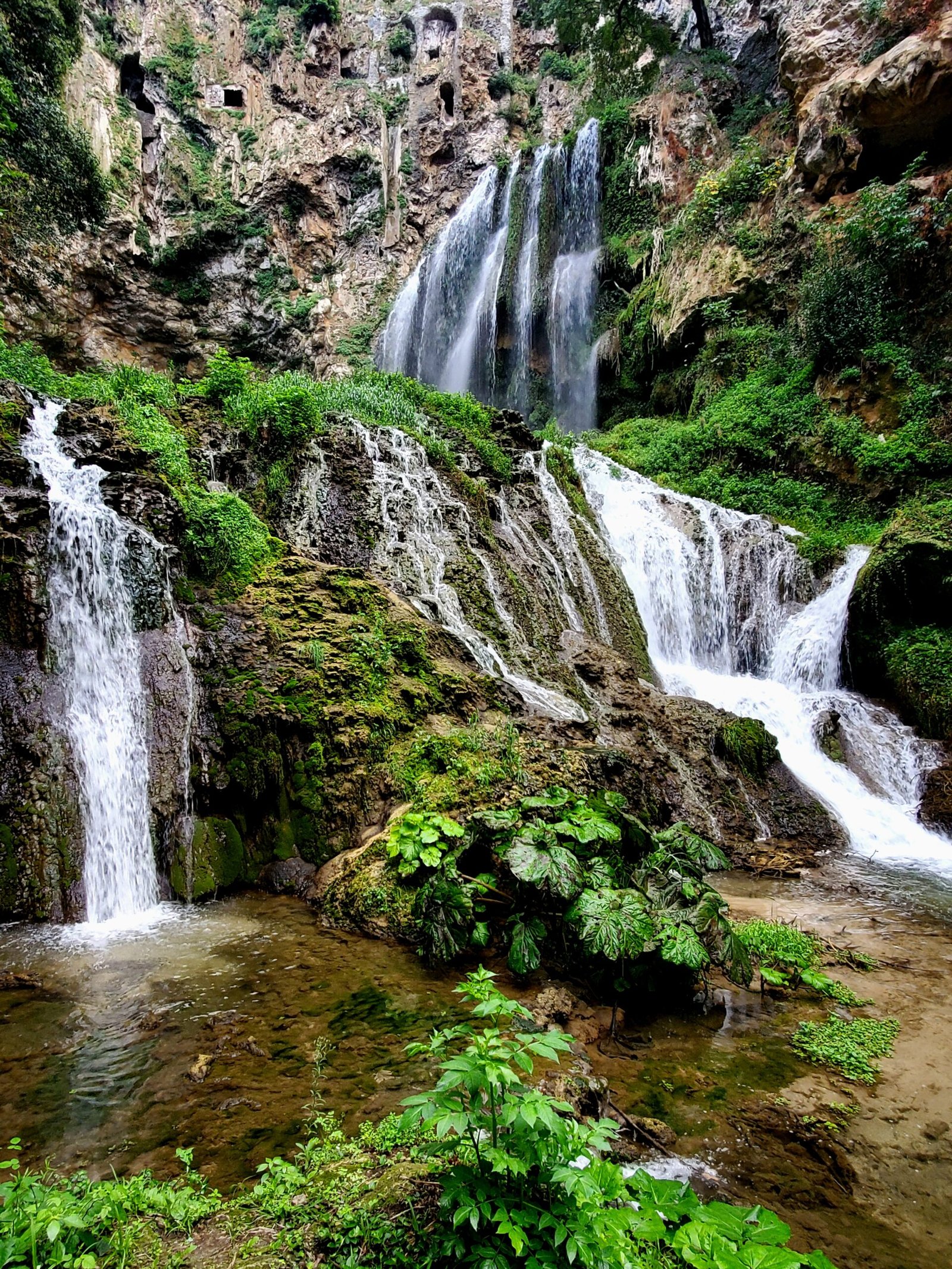
Tivoli: You must visit Tivoli!! How are more people not talking about this hillside city, full of history and natural beauty? More than any other city, this was by far my favorite spot. An hour train from Rome, the throngs of tourists don’t exist and you are able to have a more local experience. The three main attractions are Villa Adriana, Villa d’Este, and Villa Gregoriana. I visited all three in a single very full day, but could have definitely spent longer. Villa Adriana are the ruins of an imperial palace built for Emperor Hadrian almost 2000 years ago. It’s a massive complex with ruins just as impressive as those in Rome, but with 1% of the tourists. Villa d’Este is a picturesque garden with several massive fountains and water features. Maybe my experience was improved by the moody rainy weather which made for great photos, but it was a great spot to walk in the afternoon as the trees provide some shade. Last and equally amazing is the Villa Gregoriana, a garden trail system in a steep valley with multiple waterfalls. You hike down 300 feet from one edge, into the gorge, and hike back up the other side. It’s a bit of a challenge but definitely worth it. There were several other areas to explore, but I ran out of time. I wish I would have stayed a night in the city as well, as sections of the city consist of narrow streets that remind you of a medieval town. Reduce your time in Rome and stay at least a day in Tivoli!
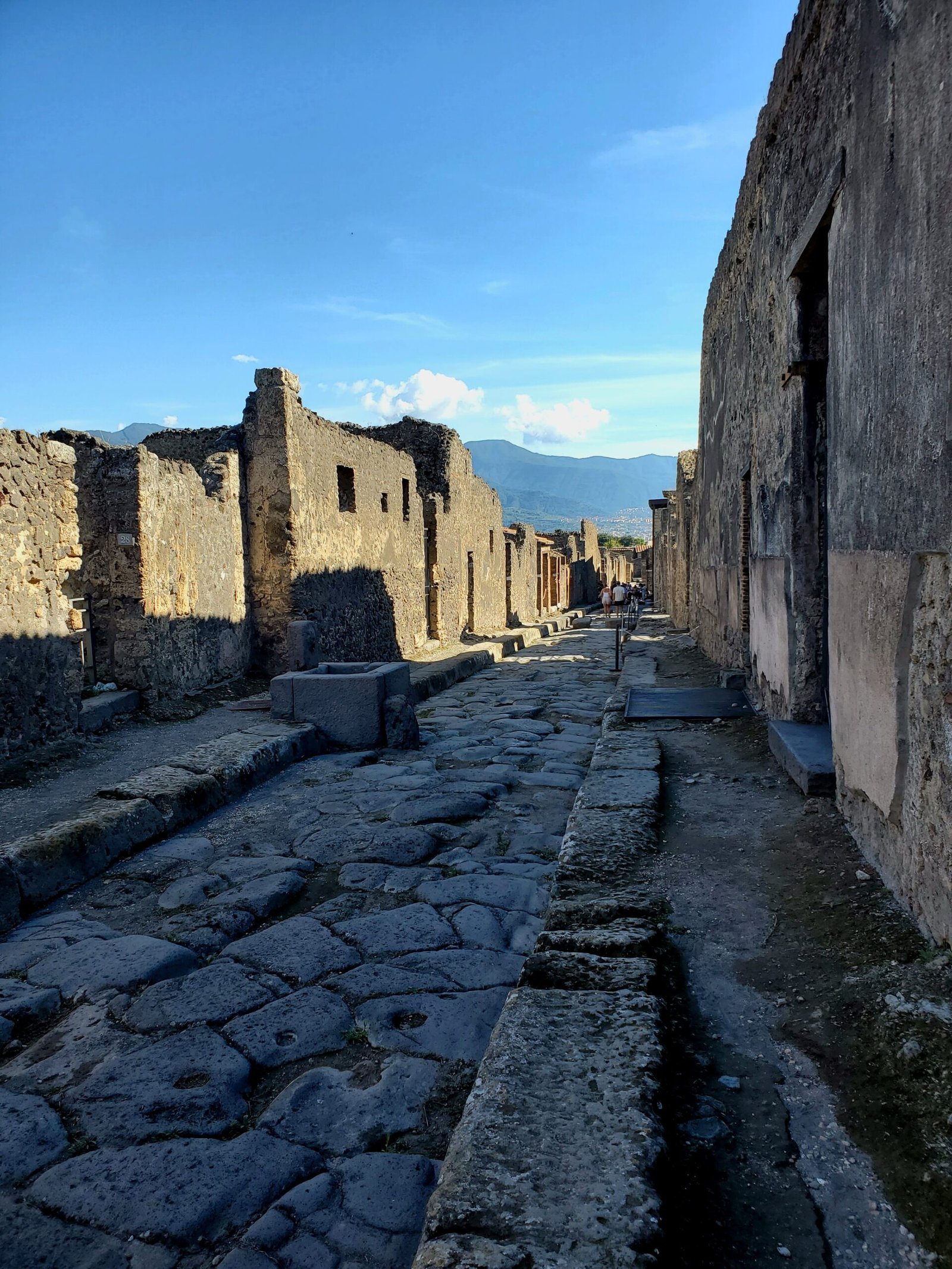
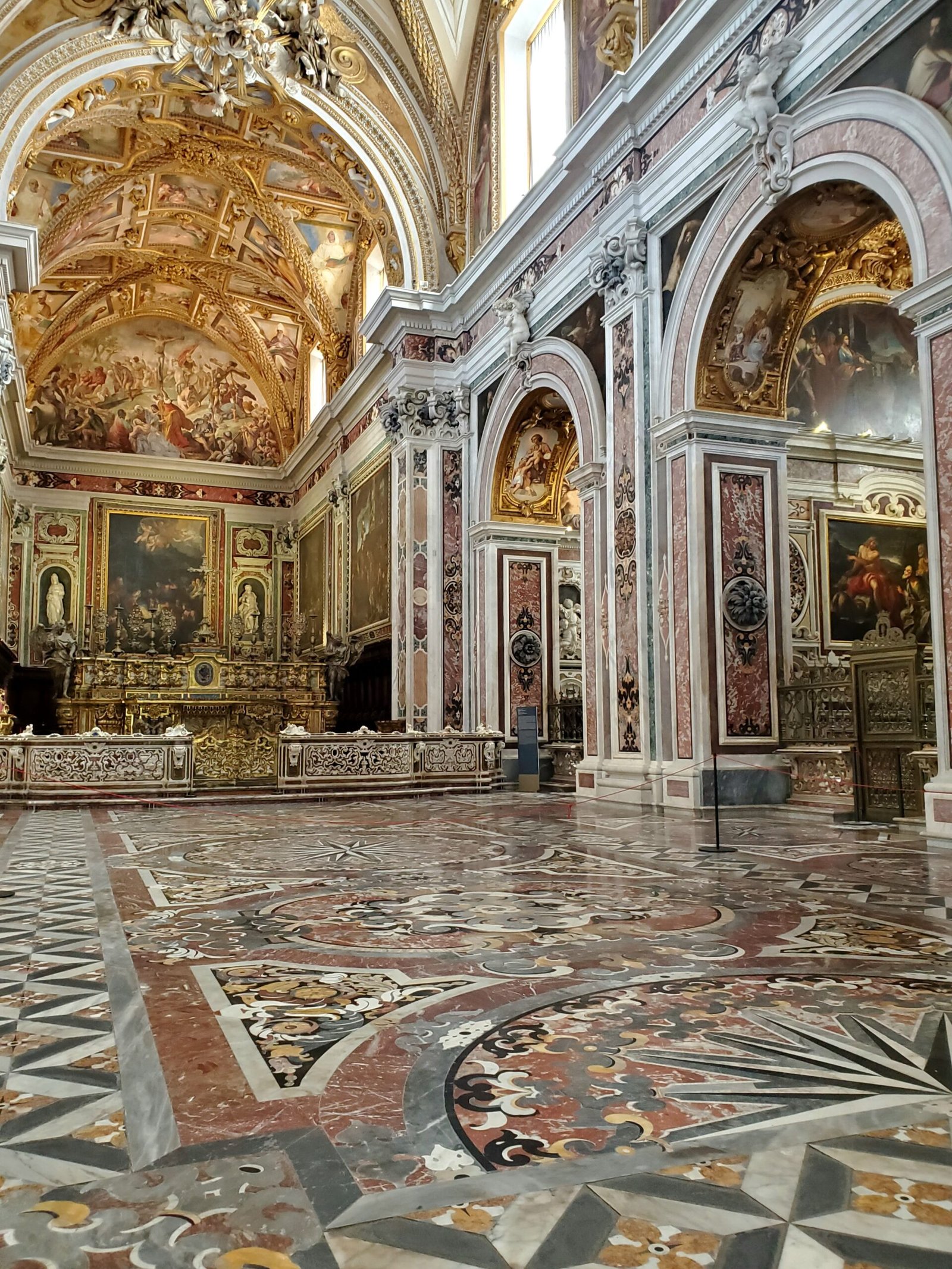
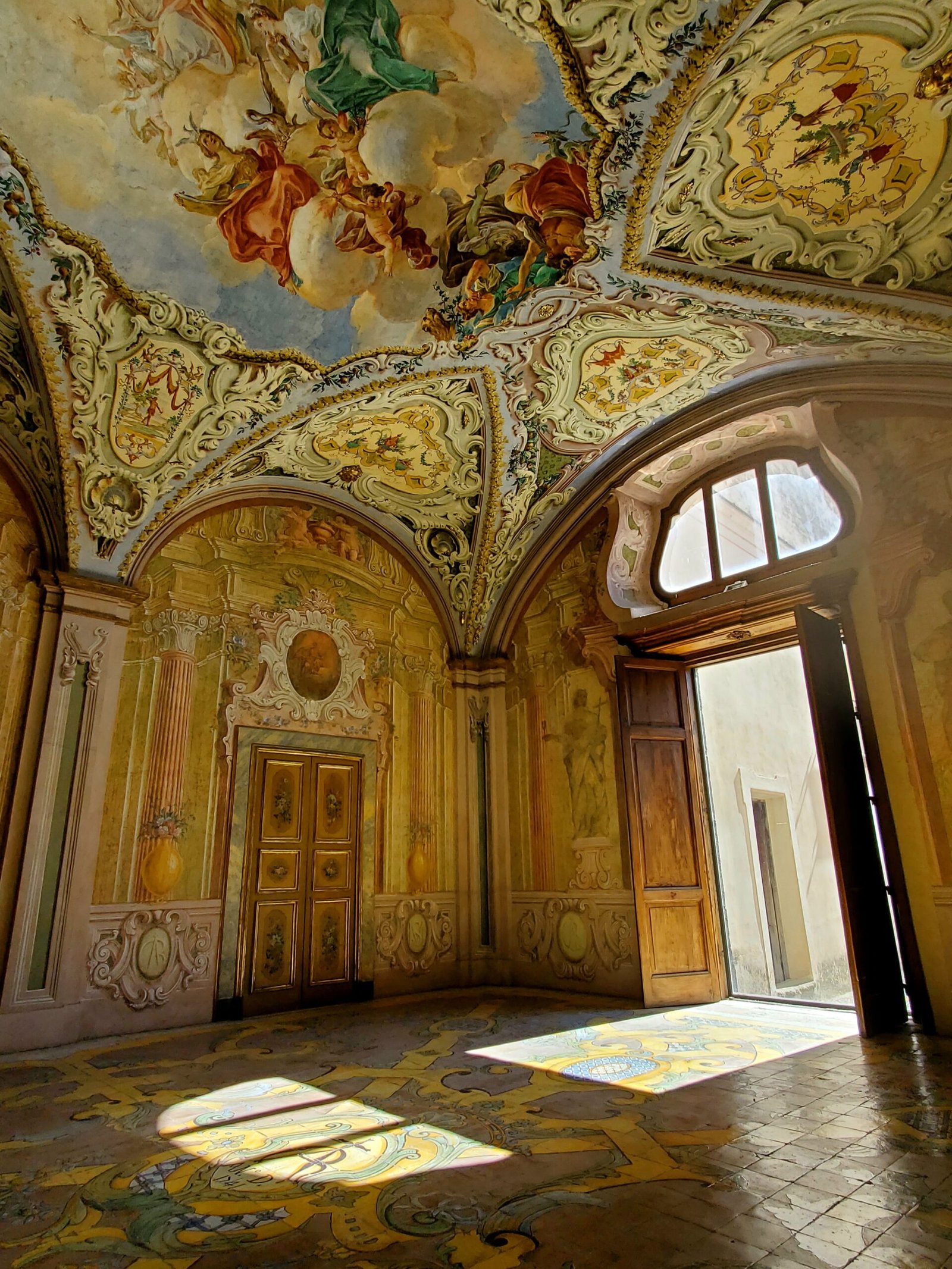
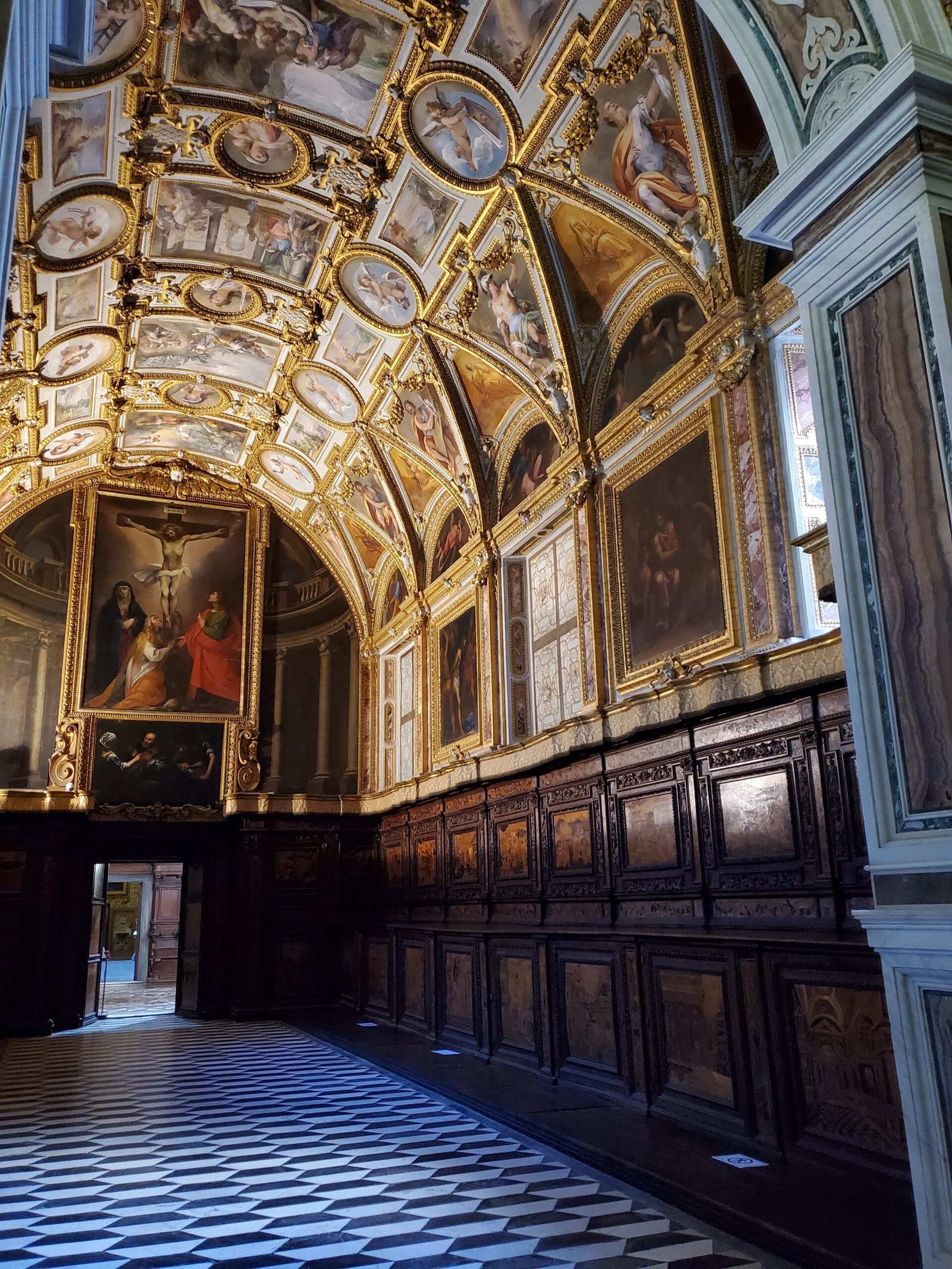
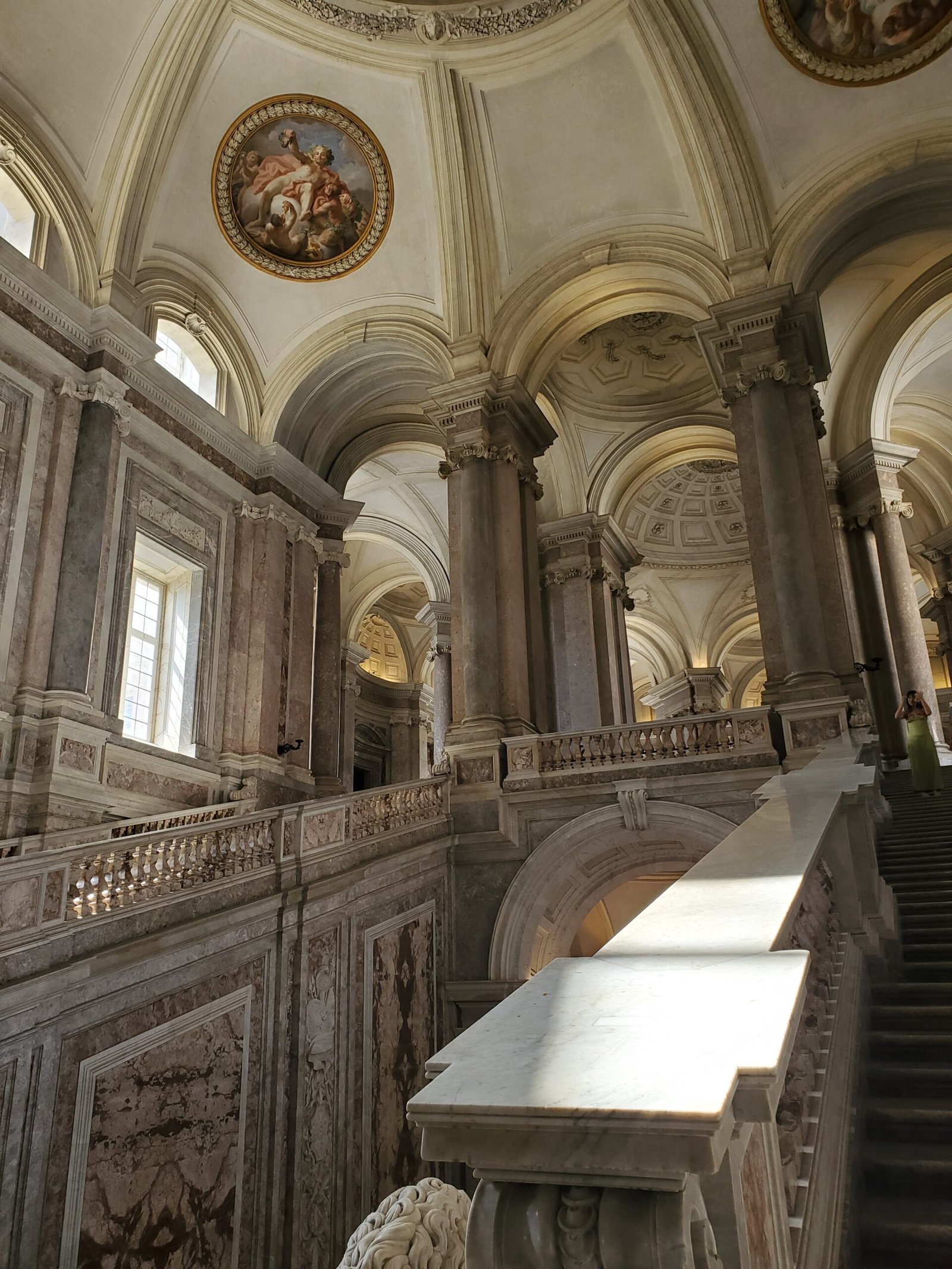
Naples: Not sure I’ve seen a town with more graffiti. Naples is a rougher city, with grime and dirt throughout the central area. The train station feels like the main hub to the city, and the surrounding area is filled with many transplants and foreigners. It was the only city I had no desire wandering around alone once it got dark. Not that it wasn’t safe, it just felt more sketchy. This said, a mile or two outside the central area, the city seemed a lot cleaner and actually quite pleasant. Neopolitan pizza is also a must try along with many other foods. Naples seems to have a much wider range of cuisine and focused on the working class nutritional needs. I’m still perplexed how everyone just orders a massive pizza and eats the entire thing on their own in Italy, yet they all remain in great shape. Sure the crust is thin, but it’s still the size of a medium or large pizza in the States, and they seem to consume it in it’s entirety on a regular basis. The Certosa e Museo di San Martino was a fantastic museum on a hilltop presenting a great overlook of the city, while Castel Sant’Elmo is a simple but sizable castle where you can walk the ramparts and have a 360° view of the city. From Naples I did a quick half day to Caserta to visit the Royal Palace of Caserta. This is an impressive palace with 1200 rooms, and a garden park with water features that presents a nearly three kilometer long unobstructed view of the palace. It’s quite the site, and also quite the walk. Just outside Naples is Pompeii, which while well-known, I didn’t know what to expect. It’s a very large archeological city, far more expansive than I expected, yet the ruins themselves are fairly unimposing. Simple square brick walls ten feet high, stretching far in all directions. Practical and not insignificant, but also not impressive compared to other sites. I suppose worth checking out if in the area, but not a primary destination. I think Naples is worth checking out to get a different experience, as there are some great locations in the city, but a day or two is plenty.
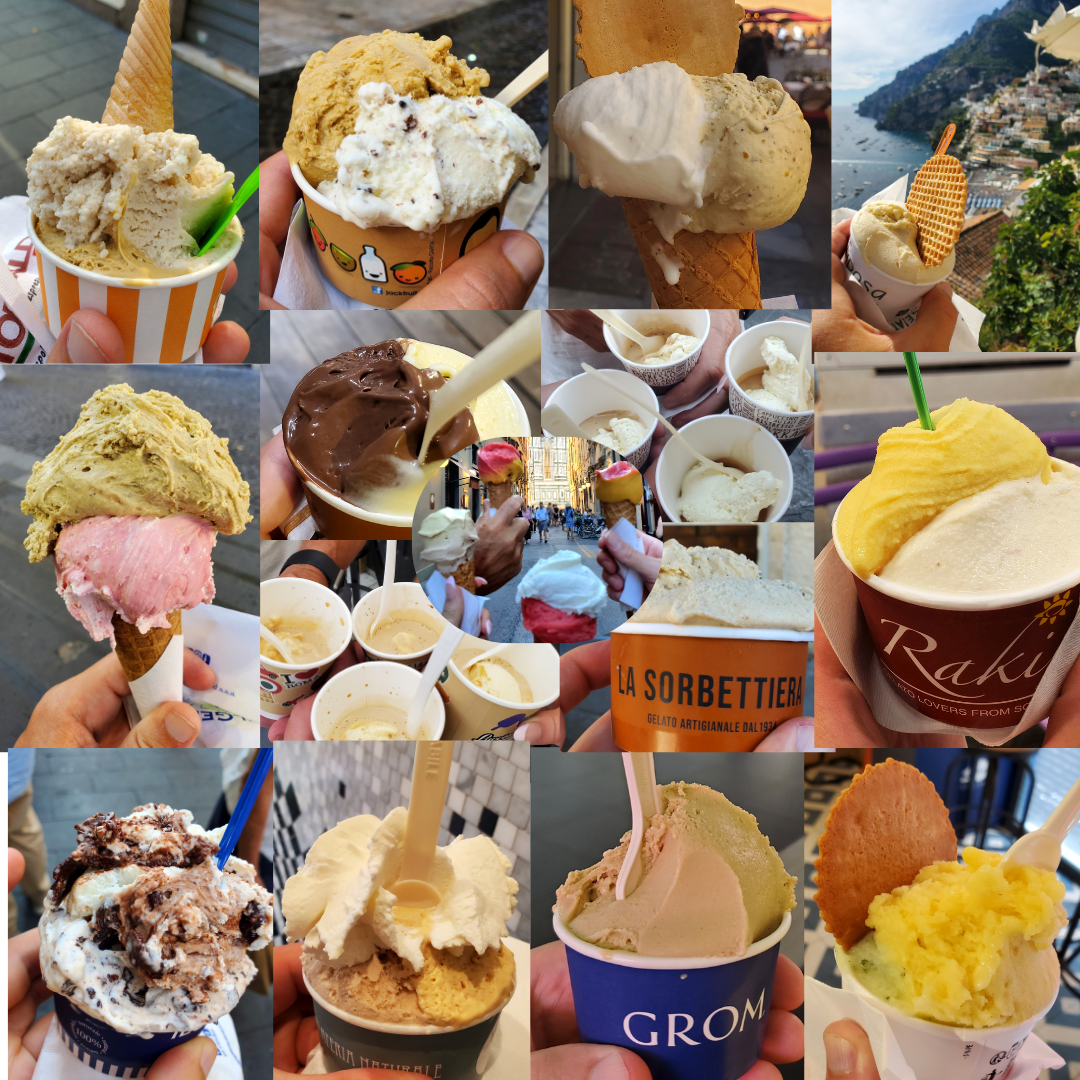
Sorrento: Sorrento feels touristy and tries to pretend it’s not. The town center is relatively small, but every other shop is selling limoncello, magnets, or other gifts, and the shops in between are restaurants seeking to serve the tourists. Trying to walk the narrow streets at night is a way to learn patience, as you will be stuck behind groups of 70yr old ladies huddled together blocking the entire street, and stopping every 5ft to comment on another item that’s beautiful or interesting. Additionally, trying to eat in Italy remains a challenge. I did my research and found a small affordable restaurant on the edge of town, and went early to avoid the dinner rush. Upon requesting a table, the lady turned me away because I was only one person. There was no one currently in the restaurant, but the dinner rush was in 25min, and she didn’t want to tie up a table for one person when it could sit two instead. I even told her I’d eat fast, which is a foreign concept in Italy, but she was firm and said if I wanted to come back in 2hrs maybe she could find me a seat. I walked away sad and found another restaurant, which afterwards I realized was a complete tourist trap and had the worst pasta in my life. The noodles were cooked at least 5 minutes past al dente, so much so that even trying to pick them up with a fork, had them falling apart in mush. The serving staff was overly friendly which should have been a red flag from the beginning, but my evening was disappointing, being turned away from a good restaurant, and being suckered into a terrible experience and paying $30 for disappointment. On the bright side, the gelato shop I visited this evening had a ricotta, walnut, & honey flavor, which was fantastic! I can see the charm of the town, but it’s one of the main ferry ports to parts of the Almalfi Coast and ends up funneling too many tourists into a single spot. I would use it as a spot to visit other areas, as it’s more affordable than Positano or other popular cliff side towns, but I would limit your time here. It’s also quite more expensive than other cities.
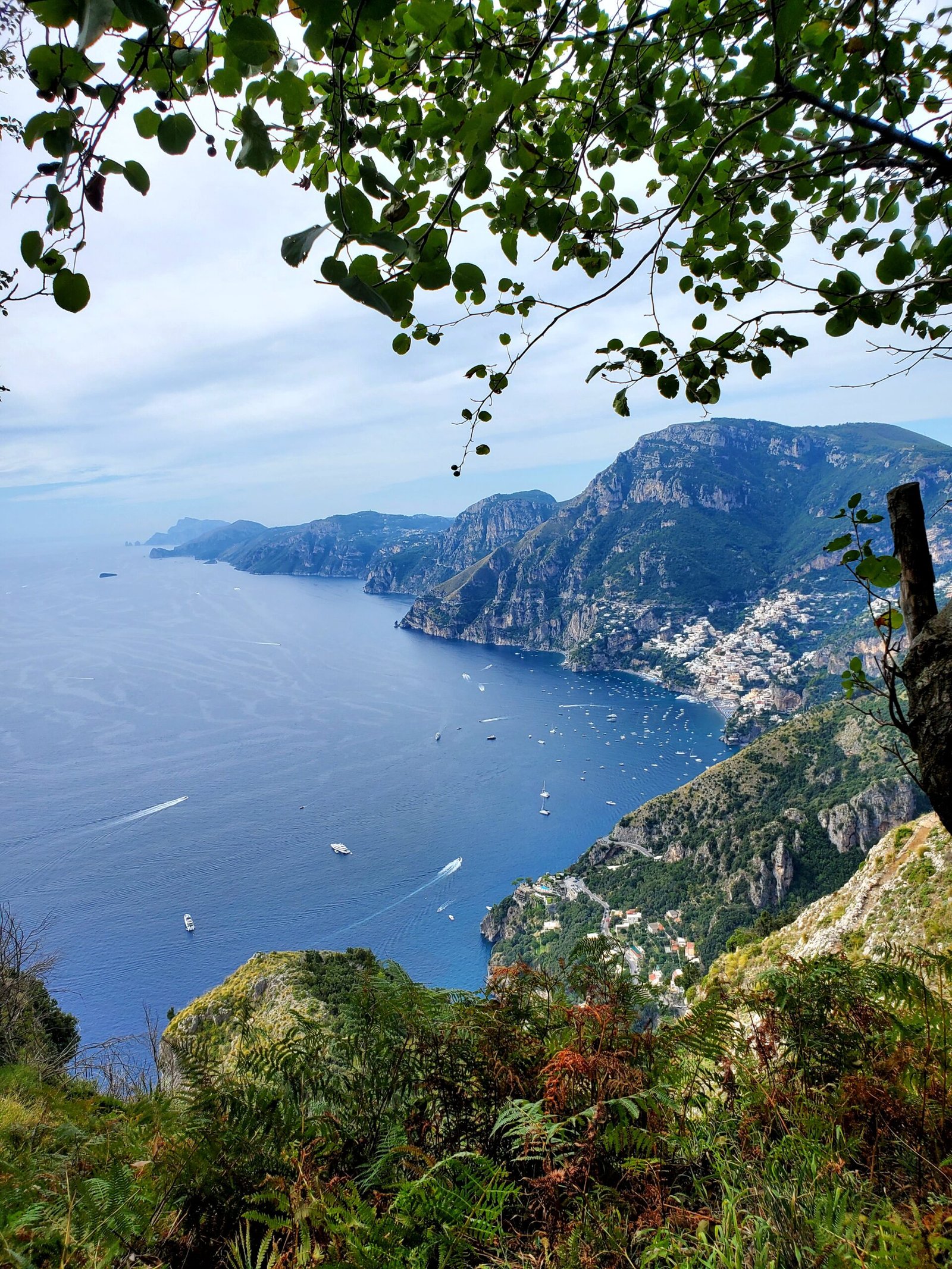
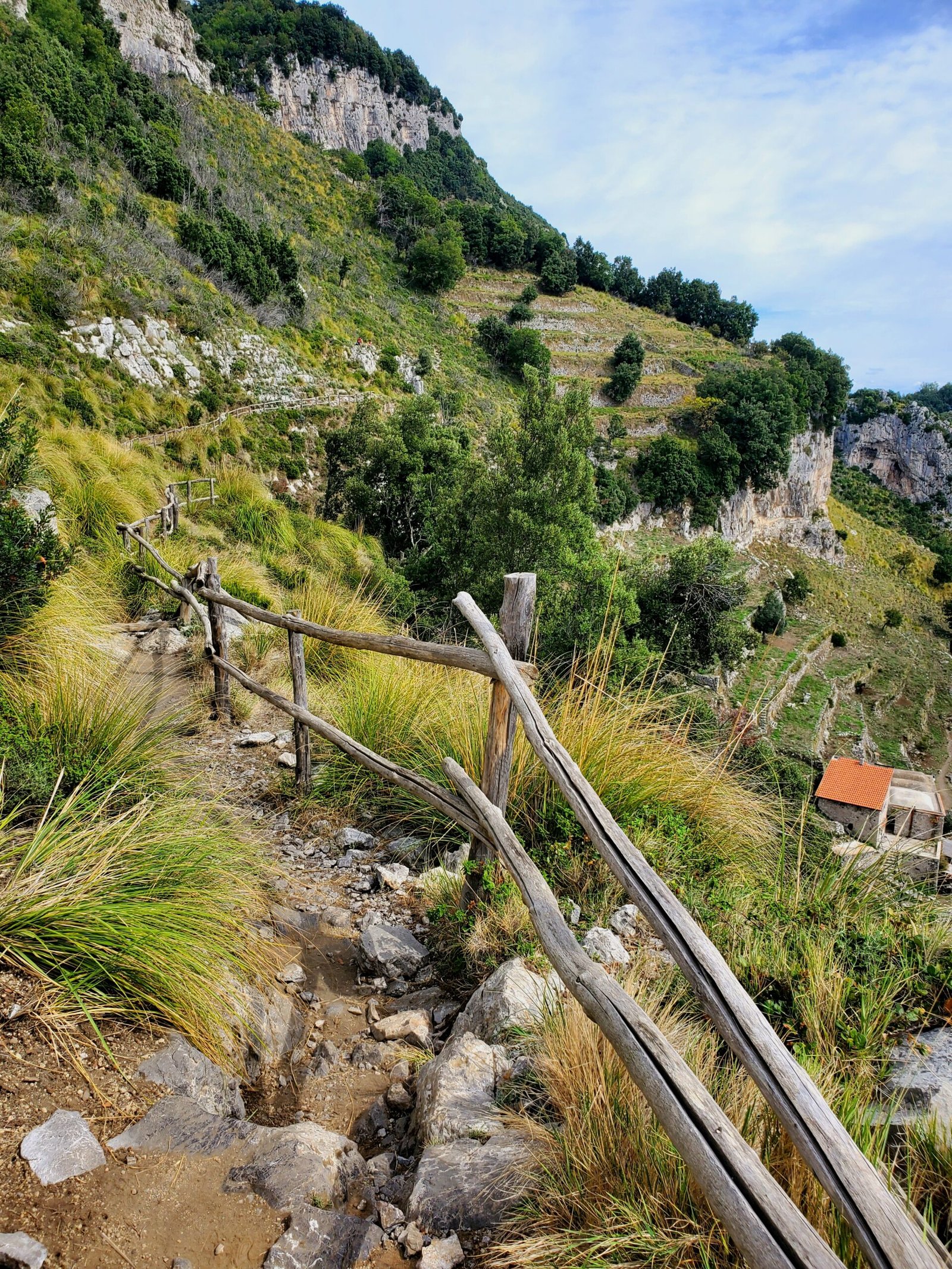
Positano: It’s touristy and owns it. There are gift shops, English is spoken far more frequently, and prices are a bit steeper, but it’s expected and the town embraces it. The town sits on the hill and is quite picturesque. After catching a ferry, my activity of the day consisted of climbing stairs. Stairs, stairs, seemingly endless stairs. I ventured to hike the Path of the Gods which is a cliff side trail that provides stunning views of Positano and the rest of the Almalfi Coast peninsula. The journey entails close to 2,000 steps that you must traverse uphill, and then return upon coming back. While many take a bus on the way up, I decided the hike would be worth it, but it was definitely a challenge. This is an incredibly expensive city to stay in, so I’d recommend staying in Sorrento and visiting for a day trip.
Other notes of interest:
- Dining in at a restaurant is more expensive than taking it to go. Aperol spritz will be $7 if you sit down, but $4 if you take it to go. You don’t pay tips necessarily, but you pay a seat fee per person which is usually $2-3.
- Portion sizes are very inconsistent. You don’t know if you will be hungry or stuffed after a meal. A pasta order could be three ravioli or an entire plate of food. Pasta is also under the primi (first) section of the menu, while meat dishes are under the secondi (second) section. I’m not sure how people order primi, secondi…and also appetizers…and dessert. It seems like most order only one or the other, but the naming convention reminds me of Starbucks cup sizes…it just doesn’t make sense…which now makes sense why Starbucks is so confusing, because they are inspired by Italians!
- In Italy, they sell drinks and coffee everywhere, but then you have to pee, but public bathrooms are rare and if they do exist you must pay, so you are forced to buy more drinks at a restaurant in order to use their bathroom, which just makes you have to pee again! It’s an entire system probably lobbied for by the restaurant industry! It actually is quite annoying spending $10+ just to use the toilet.
- I definitely recommend buying train tickets in advance, as they are much cheaper. Also strikes occur frequently, so purchase tickets directly through the rail companies, and if you have the option, purchase tickets for the private trains rather than the public trains, as they seem to not go on strike as often and at least maintain some basic level of service. Overall the strikes seemed slightly inconvenient but nothing to worry about too much.
- I kept trying to speak Spanish since it’s so similar to Italian. Many people only speak basic English so I wasn’t sure if it was better to try and communicate in English or in broken Spanish with them. Either way, you’ll likely find yourself accidentally using Spanish at times.
- Overall I really enjoyed Italy, would recommend it to others, and would like to return and visit other regions in the future! Let me know if I should join you in the future, so I avoid getting turned away from another restaurant!